
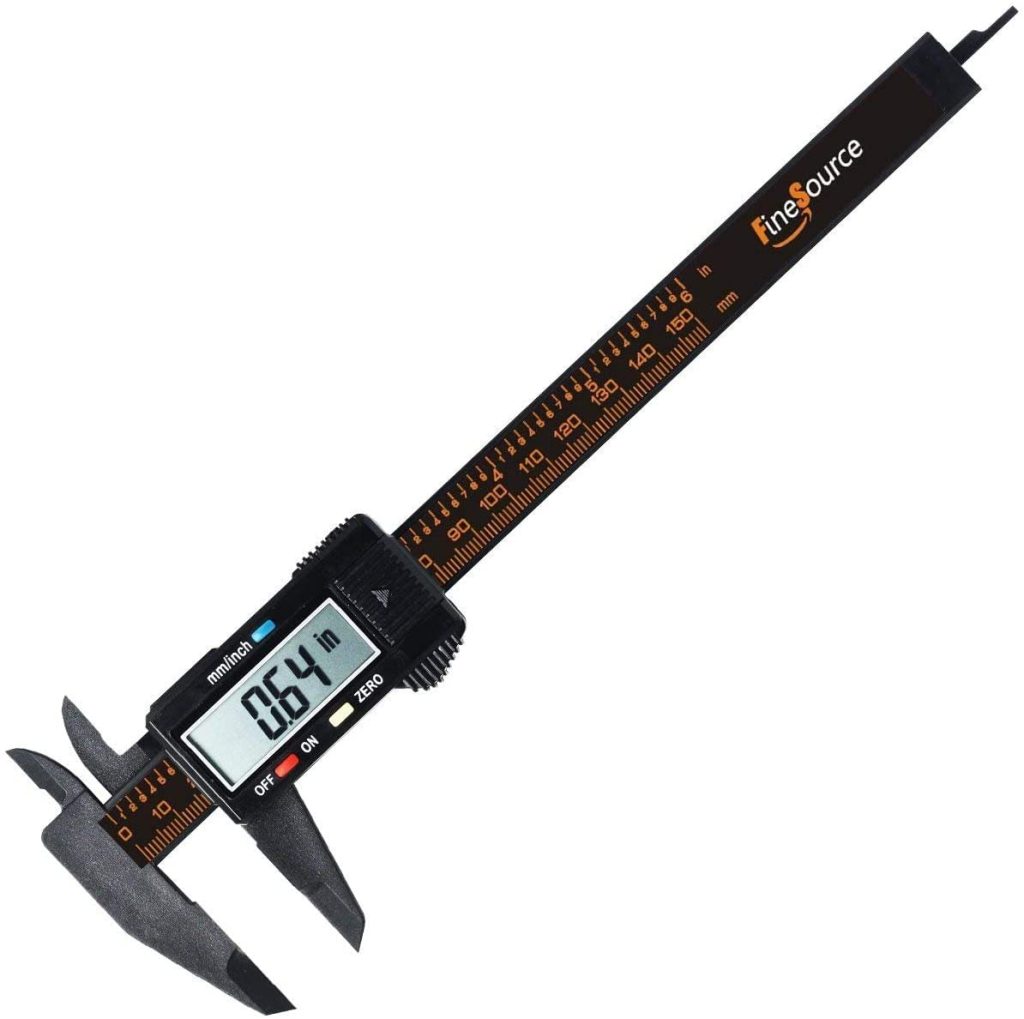
Electronic Digital Caliper Inch/Metric Conversion 0–6 Inch / 150 mm Carbon Fiber Gauge Micrometer with Extra Large LCD Screen (Black)
Accurate measurement is the foundation of quality work in engineering, woodworking, metal fabrication, automotive repair, jewelry making, and even DIY home projects. In 2025, digital tools have largely replaced traditional analog instruments because they are faster, easier to read, and more precise. Among these tools, the electronic digital caliper stands out as one of the most essential measuring devices.
The Electronic Digital Caliper Inch/Metric Conversion 0–6 Inch (150 mm) Carbon Fiber Gauge Micrometer with an extra-large LCD screen is a versatile, user-friendly tool designed for both professionals and beginners. It combines precision, portability, and convenience in a compact design. Whether you are measuring internal diameters, external dimensions, or depth, this tool ensures reliable results every time.
This comprehensive guide explores everything you need to know about this digital caliper, including its features, benefits, applications, usage, maintenance, and buying considerations.
What is an Electronic Digital Caliper?
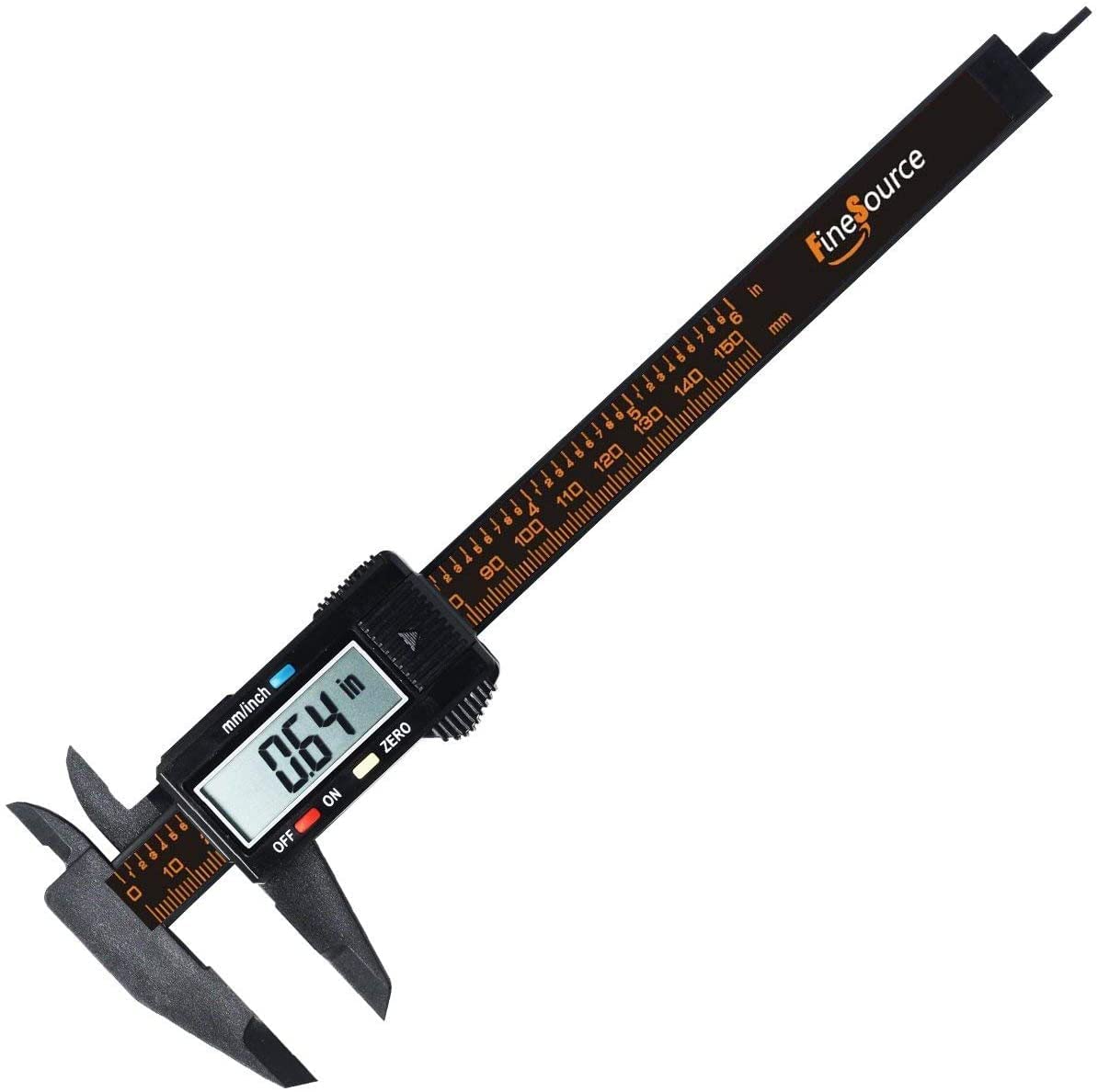
A digital caliper is a precision measuring instrument used to measure the distance between two opposite sides of an object. Unlike traditional vernier or dial calipers, digital calipers display the measurement electronically on an LCD screen.
This specific model supports both inch and metric systems, allowing users to switch between measurement units instantly. It typically measures up to 6 inches or 150 mm, making it suitable for a wide range of tasks.
Key Features
1. Dual Measurement System (Inch/Metric Conversion)
One of the most useful features of this digital caliper is its ability to switch between inches and millimeters with a single button. This is especially helpful for professionals working with international standards or different project requirements.
2. Measuring Range: 0–6 Inch / 150 mm
This caliper covers a standard measuring range that is suitable for most everyday tasks. Whether you are measuring small components or medium-sized objects, it provides accurate readings.
3. Carbon Fiber Construction
The body of the caliper is made from high-quality carbon fiber composite material. This offers several advantages:
- Lightweight design
- Corrosion resistance
- Non-conductive properties
- Durability for long-term use
4. Extra Large LCD Screen
The large display makes it easy to read measurements clearly, even in low-light conditions. This is particularly useful for users who need quick readings without straining their eyes.
5. Auto Off Function
To preserve battery life, the caliper automatically shuts off after a period of inactivity. This ensures longer battery usage and reduces the need for frequent replacements.
6. High Precision and Accuracy
Modern digital calipers provide high accuracy, often up to ±0.2 mm or better. This makes them suitable for precision work.
7. Zero Setting Function
Users can reset the display to zero at any position. This is useful for comparative measurements and incremental calculations.
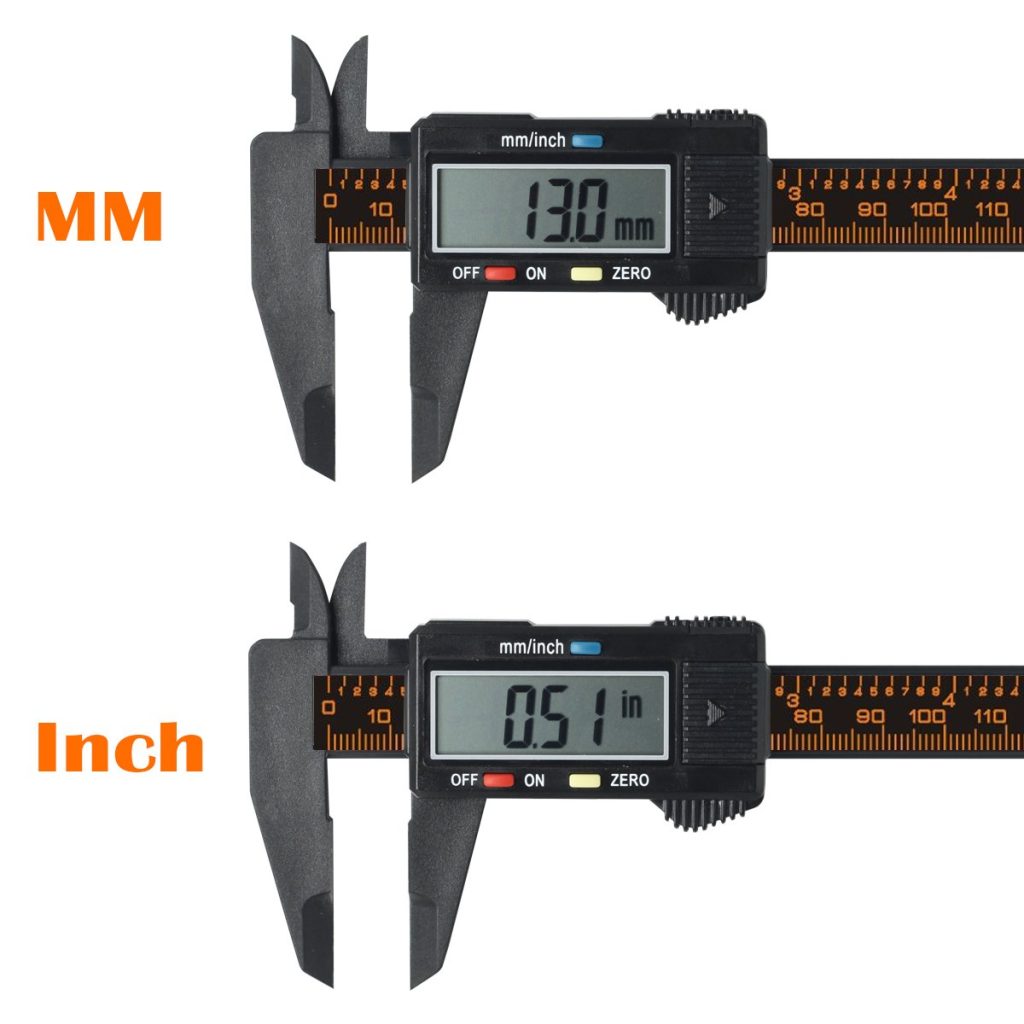
Types of Measurements You Can Perform
External Measurement
Measure the outside dimensions of objects such as rods, pipes, or blocks using the main jaws.
Internal Measurement
Use the smaller upper jaws to measure the internal diameter of holes or openings.
Depth Measurement
The depth rod at the end of the caliper allows you to measure the depth of holes or recesses.
Step Measurement
The back side of the caliper can be used to measure steps or differences in height between surfaces.
Benefits of Using a Digital Caliper
Ease of Use
Digital calipers eliminate the need to interpret scales manually. The measurement is displayed instantly on the screen.
Time-Saving
Switching between units and taking quick readings saves time, especially in fast-paced work environments.
Versatility
One tool can perform multiple measurement functions, reducing the need for additional instruments.
Portability
Lightweight and compact design makes it easy to carry and store.
Reduced Human Error
The digital display minimizes reading errors, improving overall accuracy.
Applications
Engineering and Manufacturing
Used for precise measurements of machine parts, ensuring quality control and proper fitting.
Woodworking
Helps measure thickness, depth, and dimensions of wood pieces accurately.
Automotive Repair
Useful for measuring components like brake discs, bolts, and engine parts.
Jewelry Making
Allows precise measurement of small and delicate items.
DIY Projects
Perfect for home improvement tasks, crafting, and hobby work.
Education and Training
Widely used in schools and technical institutes for teaching measurement techniques.
How to Use the Digital Caliper
Step 1: Turn On the Device
Press the power button to activate the caliper.
Step 2: Select Measurement Unit
Choose between inches and millimeters depending on your requirement.
Step 3: Zero the Caliper
Close the jaws completely and press the zero button to calibrate the tool.
Step 4: Measure the Object
- Use the lower jaws for external measurements
- Use the upper jaws for internal measurements
- Use the depth rod for depth measurement
Step 5: Read the Measurement
Check the value displayed on the LCD screen.
Step 6: Turn Off After Use
Although the auto-off feature is available, manually turning it off can help save battery.
Maintenance Tips
Keep It Clean
Wipe the caliper with a dry cloth after use to remove dust and debris.
Avoid Moisture
Although carbon fiber is resistant to corrosion, electronic components can be affected by water.
Store Properly
Keep the caliper in a protective case when not in use.
Replace Battery When Needed
If the display becomes dim or unresponsive, replace the battery promptly.
Handle with Care
Avoid dropping the caliper or applying excessive force.
Buying Guide
Accuracy
Check the accuracy level and ensure it meets your requirements.
Material Quality
Carbon fiber models are lightweight, but stainless steel options may offer higher durability for heavy-duty use.
Display Size
An extra-large LCD is beneficial for easy reading.
Battery Life
Look for models with long battery life and auto-off features.
Brand Reputation
Choose a trusted manufacturer to ensure reliability and support.
Price
Compare features and price to find the best value for your budget.
Pros and Cons
Pros
- Easy-to-read digital display
- Quick unit conversion
- Lightweight and portable
- Multiple measurement functions
- Energy-saving auto-off feature
Cons
- Less durable than metal calipers in heavy-duty use
- Requires battery
- May need recalibration over time
Comparison: Digital vs Vernier Calipers
| Feature | Digital Caliper | Vernier Caliper |
|---|---|---|
| Reading | Easy digital display | Manual reading required |
| Accuracy | High | High but depends on user skill |
| Speed | Fast | Slower |
| Ease of Use | Beginner-friendly | Requires training |
| Maintenance | Battery required | No battery needed |
Common Mistakes to Avoid
- Not zeroing the caliper before use
- Applying too much pressure while measuring
- Using the wrong jaws for measurement
- Ignoring calibration issues
- Storing in humid conditions
Frequently Asked Questions (FAQs)
1. Is a digital caliper better than a vernier caliper?
For most users, yes. Digital calipers are easier to read and faster to use.
2. How accurate is this caliper?
Most models offer accuracy within ±0.2 mm, which is sufficient for general use.
3. Can it measure depth?
Yes, it includes a depth rod for measuring depth.
4. Does it require calibration?
Occasionally, yes. Regular zeroing ensures accurate readings.
5. Is carbon fiber durable?
Yes, it is lightweight, corrosion-resistant, and suitable for general use.
6. What type of battery does it use?
Most digital calipers use small button cell batteries.
Future Trends in Measuring Tools
The future of measuring tools is moving toward smart integration. Digital calipers may soon include Bluetooth connectivity, allowing data to be transferred directly to smartphones or computers. Enhanced sensors and improved battery technology will further increase accuracy and usability.
Conclusion
The Electronic Digital Caliper Inch/Metric Conversion 0–6 Inch / 150 mm Carbon Fiber Gauge Micrometer with an extra-large LCD screen is a reliable and versatile measuring tool for a wide range of applications. Its user-friendly design, accurate readings, and practical features make it an excellent choice for professionals, students, and DIY enthusiasts alike.
Whether you are working in a workshop, laboratory, or home environment, this digital caliper provides the precision and convenience needed to complete tasks efficiently. By understanding its features, proper usage, and maintenance, you can maximize its performance and ensure long-term reliability.
Investing in a quality digital caliper is a smart decision that enhances accuracy, saves time, and improves overall work quality.