
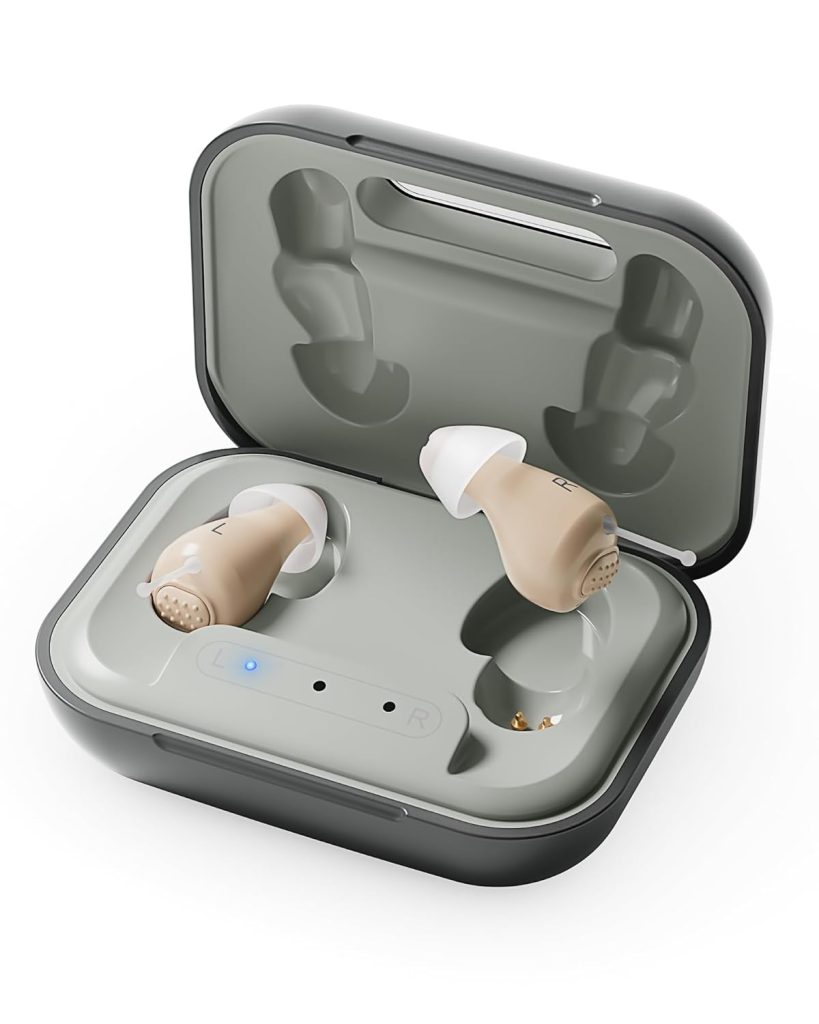
Enhance Your Hearing with Advanced Rechargeable OTC Hearing Aids for Seniors
Hearing is one of the most important senses, and for seniors, maintaining good hearing can significantly impact quality of life. As we age, many of us experience hearing loss, making everyday activities such as conversations, watching television, or attending social events challenging. Fortunately, modern hearing aid technology has advanced tremendously, providing seniors with solutions that are not only effective but also discreet and convenient. Among the most innovative options available today are rechargeable over-the-counter (OTC) hearing aids designed for adults with mild to moderate hearing loss.
Why Hearing Aids Are Essential for Seniors
Hearing loss is a common condition among older adults. According to studies, approximately one-third of people over the age of 65 experience some degree of hearing impairment. Untreated hearing loss can lead to social isolation, reduced cognitive function, and even depression. Hearing aids are designed to amplify sounds, reduce background noise, and improve speech clarity, allowing seniors to maintain active and meaningful communication with friends, family, and caregivers.
Modern hearing aids go beyond basic amplification. They are engineered with features such as noise reduction, automatic adjustment to different environments, and ergonomic designs that ensure comfort during extended wear. Among these features, the convenience of rechargeable batteries and an invisible in-ear design are game-changers for seniors seeking both functionality and aesthetics.
Rechargeable Hearing Aids: Convenience Meets Sustainability
Traditional hearing aids often rely on disposable batteries, which can be inconvenient and costly over time. Rechargeable hearing aids address these challenges by offering long-lasting power in a single, compact device. Seniors no longer need to worry about frequently changing batteries or carrying spares. Most rechargeable models provide several hours of continuous usage on a single charge, making them ideal for daily activities such as attending meetings, going for walks, or enjoying social gatherings.
Rechargeable hearing aids are also environmentally friendly. By reducing the need for disposable batteries, they help minimize waste and support sustainable living practices. For seniors who are conscious of their ecological footprint, this is a significant advantage.
Over-the-Counter (OTC) Accessibility
In recent years, the availability of over-the-counter hearing aids has transformed the market, making high-quality hearing solutions more accessible to adults experiencing mild to moderate hearing loss. OTC hearing aids allow seniors to purchase devices without the need for extensive medical prescriptions or appointments, streamlining the process and reducing costs.
Despite being accessible, OTC hearing aids do not compromise on performance. Many models are equipped with advanced features such as noise reduction technology, auto on/off functions, and personalized sound amplification. This makes them a practical choice for seniors who value both convenience and quality.
Noise Reduction Technology for Clearer Sound
One of the most critical challenges for individuals with hearing loss is distinguishing speech from background noise. Modern hearing aids incorporate sophisticated noise reduction technology that filters out unwanted sounds, allowing users to focus on conversations and important auditory cues.
Whether in a busy restaurant, a crowded family gathering, or while watching television, noise reduction ensures that seniors can hear clearly without strain. By reducing auditory distractions, these devices not only improve hearing but also enhance overall listening comfort.
Comfortable and Invisible Design
Comfort is paramount for seniors who wear hearing aids for extended periods. Contemporary designs focus on ergonomics, with lightweight, in-ear structures that fit snugly without causing irritation. An invisible in-ear design adds an element of discretion, allowing seniors to wear the device confidently without drawing attention.
The small, unobtrusive form factor also makes these hearing aids ideal for individuals who are new to using such devices. Seniors can experience enhanced hearing without the feeling of bulky or awkward equipment, increasing the likelihood of consistent usage.
Auto On/Off Functionality
For added convenience, many rechargeable OTC hearing aids feature automatic on/off capabilities. The device activates when inserted into the ear and powers down when removed, ensuring efficient energy use and prolonging battery life. This intuitive feature eliminates the need for manual adjustments, making the device user-friendly even for seniors who may not be technologically inclined.
Improving Quality of Life
The ultimate goal of any hearing aid is to improve the user’s quality of life. By restoring the ability to hear clearly, seniors can engage more fully in daily activities, maintain social connections, and enjoy entertainment without strain. Improved hearing also supports cognitive health by keeping the brain active and reducing the risk of mental decline associated with untreated hearing loss.
Moreover, modern hearing aids foster independence. Seniors no longer need to rely on others to repeat conversations or interpret sounds, allowing them to confidently navigate various environments. Whether it’s participating in community events, listening to grandchildren, or enjoying a favorite television program, hearing aids empower seniors to stay engaged and connected.
Choosing the Right Hearing Aid
When selecting a hearing aid, seniors should consider several factors, including:
- Degree of Hearing Loss: Ensure the device matches the user’s level of hearing impairment. OTC models are best suited for mild to moderate loss.
- Battery Type: Rechargeable devices are convenient, while disposable battery models may offer flexibility for extended travel.
- Noise Reduction Features: Prioritize devices with advanced noise filtering for clear communication in different settings.
- Comfort and Fit: An ergonomic, in-ear design minimizes discomfort and encourages regular use.
- Ease of Use: Automatic on/off, volume control, and minimal maintenance are important for seniors.
- Durability: Look for devices that are resistant to moisture, dust, and everyday wear.
Tips for Optimal Hearing Aid Use
To maximize the benefits of rechargeable OTC hearing aids, seniors should:
- Follow a Consistent Charging Routine: Charge the device overnight or during downtime to ensure full power throughout the day.
- Keep the Device Clean: Regular cleaning prevents wax build-up and maintains sound clarity.
- Adjust Settings Gradually: Many devices offer customizable volume and frequency settings; start at a moderate level and adjust as needed.
- Schedule Regular Hearing Checkups: Even with OTC devices, periodic hearing evaluations help monitor changes and optimize device performance.
Conclusion
Rechargeable OTC hearing aids are transforming the way seniors experience sound. With features like noise reduction, invisible in-ear design, comfortable fit, and automatic on/off functionality, these devices offer a seamless blend of technology, convenience, and style. They not only restore hearing but also enhance independence, social engagement, and overall well-being.
For seniors facing the challenges of hearing loss, investing in a high-quality rechargeable hearing aid is more than just a medical decision—it is an investment in a fuller, more connected, and enjoyable life. By embracing modern hearing technology, adults can regain confidence, clarity, and the joy of sound in every aspect of daily living.
Whether for casual conversations, family gatherings, or personal entertainment, a rechargeable OTC hearing aid can make a profound difference, ensuring that seniors never miss a moment of the world around them.