
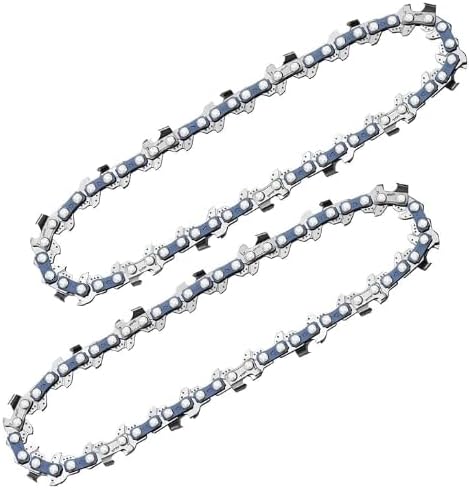
Chainsaw Chains Replacement: Understanding the 1205 1/4″ Pitch 56 Drive Links
Chainsaws are indispensable tools for forestry, landscaping, and even home maintenance. Whether you are a professional logger or a weekend gardener, the performance of your chainsaw depends heavily on its chain. A dull or incompatible chain can significantly reduce efficiency and increase safety risks. One commonly used replacement chain is the 1205 1/4″ pitch 56 drive links chainsaw chain. This article explores its features, benefits, and practical considerations for replacing chainsaw chains.
What Is a Chainsaw Chain?
A chainsaw chain is the cutting component of a chainsaw. It consists of a series of sharp teeth that rotate around the guide bar at high speed, slicing through wood and other materials. Chains come in various sizes, pitches, and link counts, all of which must match the chainsaw specifications. Using the correct chain ensures smooth operation, durability, and safe handling.
Pitch and Drive Links
Two key specifications define a chainsaw chain: pitch and drive links.
- Pitch: The pitch measures the distance between three consecutive rivets on the chain, divided by two. It determines the chain’s size and compatibility with the guide bar and sprocket. A 1/4″ pitch chain is relatively small, suitable for light to medium-duty cutting tasks, such as pruning, trimming, and cutting small logs.
- Drive Links: Drive links are the portions of the chain that fit into the chainsaw’s guide bar and sprocket. The number of drive links, in this case, 56, must match the chainsaw’s bar length and sprocket system. Incorrect drive link count can lead to chain slipping, uneven cutting, or even damage to the chainsaw.
The combination of 1/4″ pitch and 56 drive links makes this chain ideal for compact chainsaws used for light forestry work, garden maintenance, and small-scale woodworking tasks.
Why Choose the 1205 Chainsaw Chain?
When selecting a replacement chain, the 1205 1/4″ pitch 56 drive links model stands out for several reasons:
- Precision Cutting: This chain is engineered to provide clean, precise cuts, reducing splintering and minimizing damage to the wood. The cutting teeth are designed for efficient wood removal, making cutting faster and less labor-intensive.
- Durability: High-quality chains are made from hardened steel, which resists wear and maintains sharpness over extended use. This reduces the frequency of chain sharpening or replacement, saving time and money in the long run.
- Compatibility: Chains labeled as 1205 with 1/4″ pitch and 56 drive links are compatible with many standard chainsaw models. This makes it easy to replace an old or worn chain without modifying your chainsaw.
- Safety: A properly fitted chain reduces the risk of kickback and ensures smoother operation. Chains that are too loose, too tight, or the wrong size can be dangerous. The 1205 chain provides a secure fit that enhances operator safety.
Signs You Need a Chainsaw Chain Replacement
Chainsaw users should monitor the condition of their chain regularly. Some signs that indicate the need for replacement include:
- Dull Teeth: When cutting requires more force than usual, or the chain leaves rough cuts, the teeth are likely dull.
- Visible Damage: Chips, cracks, or bent teeth can compromise performance and safety.
- Stretching: Over time, chains stretch and may not fit the guide bar properly. A stretched chain can slip and damage the saw.
- Frequent Sharpening: If you find yourself sharpening the chain frequently, it may be more efficient to replace it.
Regular maintenance, such as cleaning, lubrication, and proper tensioning, can extend the life of a chain. However, replacing a worn chain with a new 1205 1/4″ pitch 56 drive links chain ensures optimal performance and safety.
How to Replace a Chainsaw Chain
Replacing a chainsaw chain is a straightforward process, but it must be done carefully:
- Safety First: Always wear protective gloves and disconnect the chainsaw from power or remove the spark plug if it is gas-powered.
- Remove the Old Chain: Loosen the bar nuts and remove the guide bar. Carefully slide the old chain off the bar and sprocket.
- Inspect the Guide Bar: Check for wear, damage, or burrs on the bar. Replace or file as needed.
- Install the New Chain: Place the 1205 chain around the sprocket and along the guide bar, ensuring the teeth face the correct cutting direction.
- Tension the Chain: Adjust the chain tension so it fits snugly along the bar but can still move freely. Proper tension prevents slipping and reduces wear.
- Lubricate: Apply chainsaw bar oil along the chain to ensure smooth operation.
- Test Run: Reassemble the chainsaw and run it at low speed to confirm proper installation. Check that the chain moves smoothly and does not wobble.
Maintenance Tips for Longevity
To get the most out of your 1205 chainsaw chain:
- Lubricate Regularly: Chains require consistent lubrication to reduce friction and prevent overheating.
- Sharpen Carefully: Keep the teeth sharp with a proper file or a chain sharpener. Follow the manufacturer’s recommended angles.
- Clean After Use: Remove sawdust, sap, and debris to prevent rust and wear.
- Check Tension Often: A loose or overly tight chain can cause damage or accidents. Adjust tension as needed.
Conclusion
The 1205 1/4″ pitch 56 drive links chainsaw chain is an excellent replacement for light and medium-duty chainsaws. It combines precision cutting, durability, safety, and compatibility, making it a reliable choice for professionals and hobbyists alike. Understanding chain specifications, recognizing signs of wear, and performing regular maintenance are crucial for maximizing performance and safety. Whether you are pruning trees, cutting firewood, or performing small woodworking tasks, investing in a high-quality replacement chain ensures your chainsaw operates efficiently and safely for years to come.