
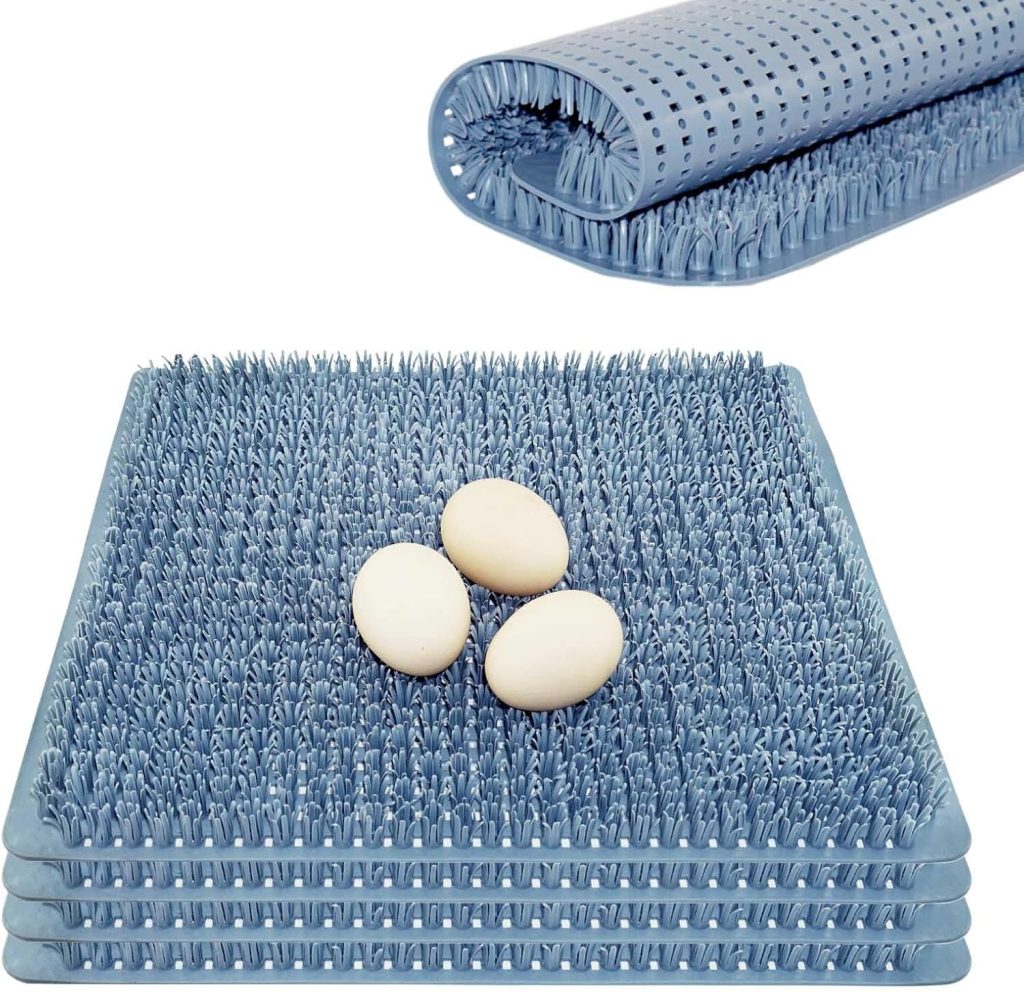
4PCS Washable Chicken Nesting Pads for Laying Eggs: Complete Guide, Benefits, and Why Every Chicken Coop Needs Them
Raising chickens successfully requires more than just feeding and watering them. One of the most overlooked yet essential aspects of poultry care is providing a comfortable, clean, and safe nesting environment. For laying hens, the nesting area plays a critical role in egg production, egg cleanliness, and overall flock health.
Traditional nesting materials like straw, hay, or wood shavings have been used for generations. However, they often come with challenges such as frequent replacement, hygiene issues, and hidden pests. This is where washable silicone chicken nesting pads come in as a modern, efficient, and long-lasting alternative.
In this detailed guide, we will explore everything you need to know about 4PCS washable chicken nesting pads, including their features, benefits, installation, maintenance, and why they are becoming a must-have accessory for chicken coops.
 What Are Chicken Nesting Pads?Chicken
 What Are Chicken Nesting Pads?Chicken
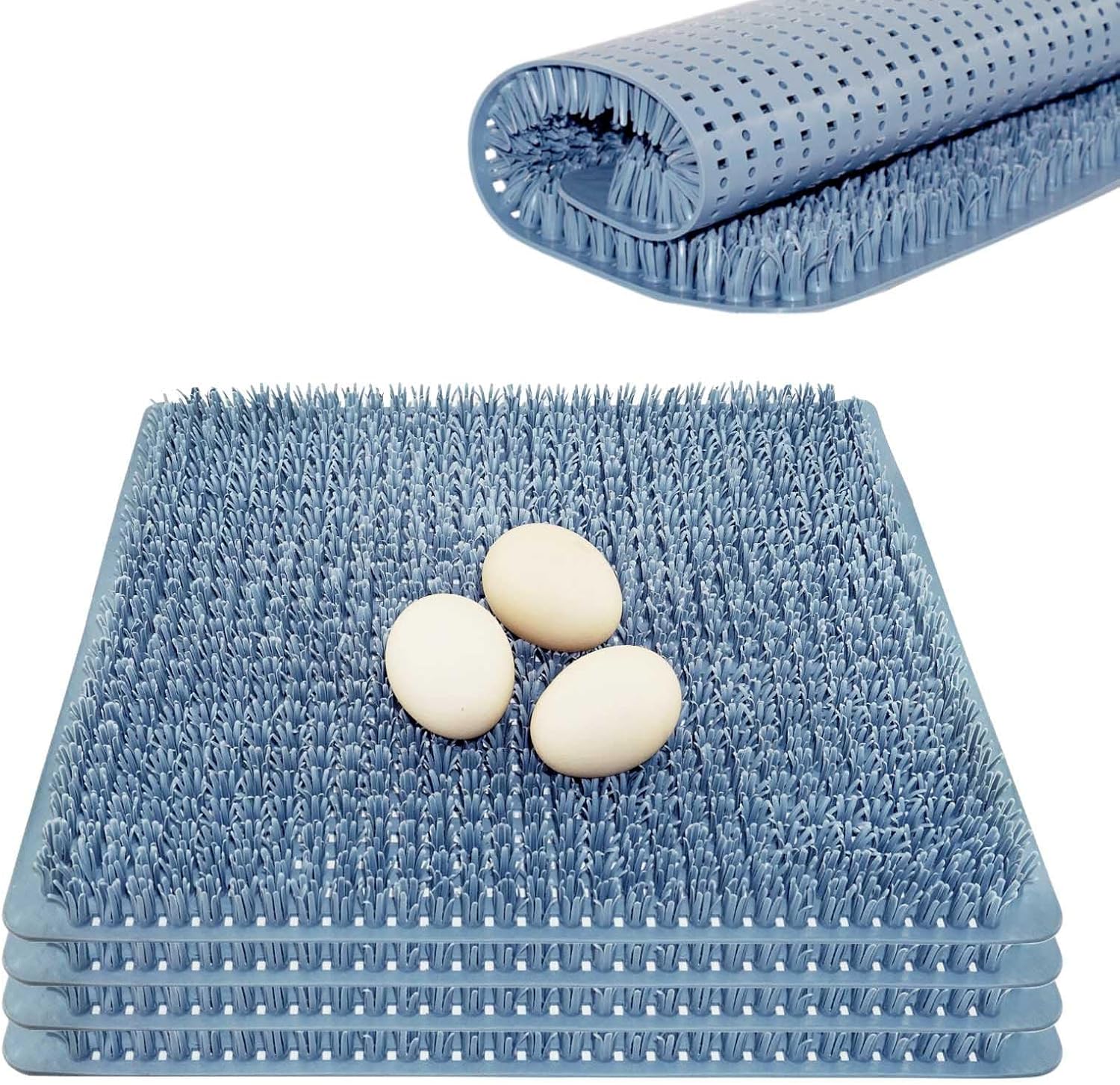
Chicken nesting pads are specially designed mats placed inside nesting boxes to provide hens with a comfortable place to lay eggs. These pads act as a cushioning layer that supports eggs, prevents breakage, and keeps them clean.
Washable silicone nesting pads are made from durable, flexible material that can be reused multiple times, unlike traditional bedding.
Why Nesting Pads Are Important
The nesting area directly affects:
- Egg cleanliness
- Egg safety (reducing cracks and breakage)
- Hen comfort
- Egg-laying consistency
- Coop hygiene
A poor nesting setup can lead to dirty eggs, broken shells, and even hens laying eggs outside the nesting box.
Key Features of Washable Silicone Nesting Pads
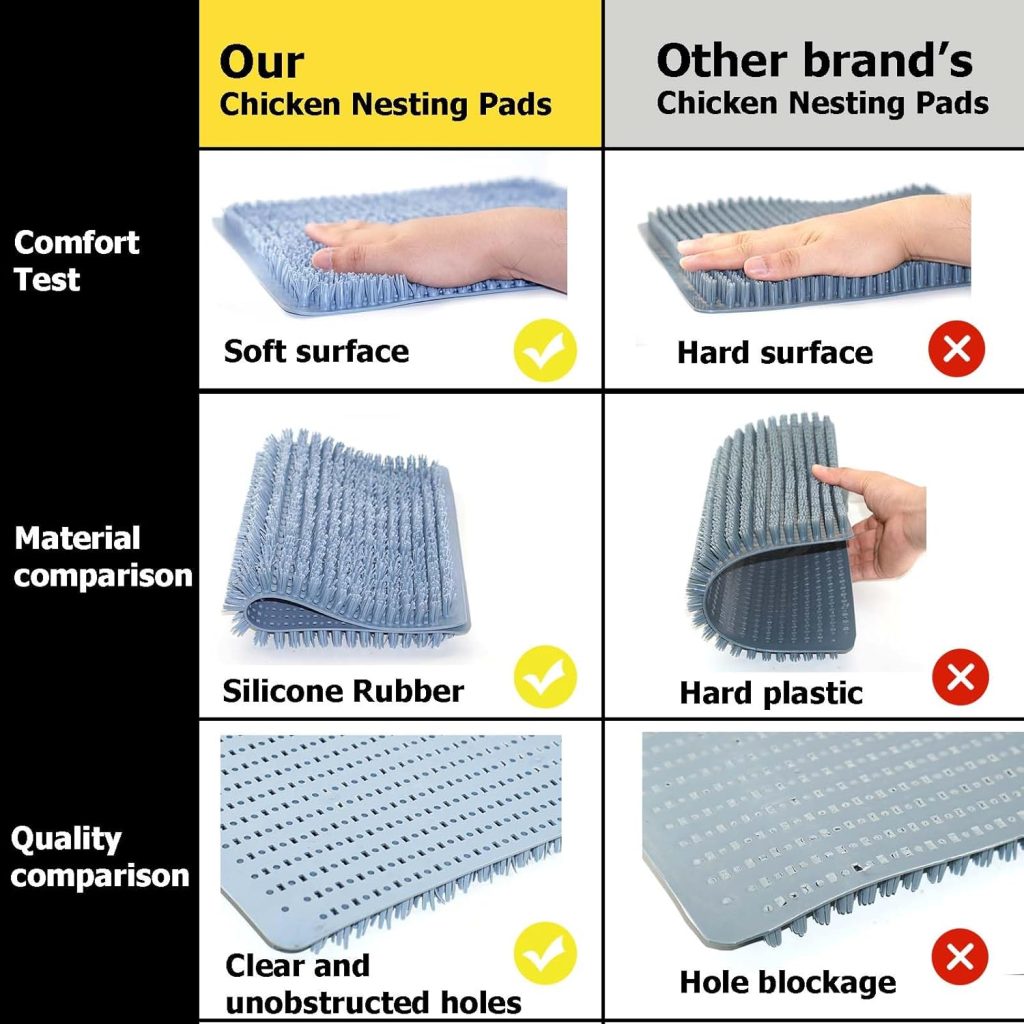
High-Quality Silicone Material
These nesting pads are made from premium-grade silicone, which is:
- Flexible and soft
- Durable and long-lasting
- Resistant to wear and tear
- Safe for animals
Washable and Reusable Design
One of the biggest advantages is that these pads can be washed and reused. Unlike straw or hay, you do not need to replace them frequently.
Egg Protection Surface
The textured surface helps cushion eggs, reducing the risk of cracks or breakage when hens lay them.
Ventilated Structure
Many silicone pads come with small holes or grooves that allow airflow and help keep the nesting area dry.
Non-Slip Base
The pads stay in place inside the nesting box, preventing movement when hens enter or exit.
Benefits of Using Silicone Nesting Pads
Cleaner Eggs
Since these pads do not trap dirt like traditional bedding, eggs remain cleaner and require less washing.
Reduced Maintenance
You no longer need to constantly replace bedding materials. A quick wash is enough to keep the pads clean.
Cost-Effective
Although the initial cost may be higher than straw or shavings, reusable pads save money in the long run.
Improved Hygiene
Silicone does not absorb moisture, which reduces the risk of bacteria, mold, and parasites.
Comfortable for Hens
The soft surface encourages hens to use the nesting box consistently.
Comparison with Traditional Nesting Materials
| Feature | Straw/Hay | Silicone Nesting Pads |
|---|---|---|
| Reusability | No | Yes |
| Cleanliness | Low | High |
| Maintenance | Frequent | Minimal |
| Egg Protection | Moderate | High |
| Pest Resistance | Low | High |
Why Choose a 4PCS Set?
A 4-piece set is ideal for most small to medium-sized coops. It allows you to:
- Equip multiple nesting boxes
- Rotate pads during cleaning
- Keep backup pads available
- Maintain consistent hygiene
Who Should Use These Nesting Pads?
These pads are suitable for:
- Backyard chicken keepers
- Small and medium-scale poultry farmers
- Organic egg producers
- People looking to reduce coop maintenance
- Anyone prioritizing cleanliness and efficiency
How to Install Nesting Pads
Installing silicone nesting pads is simple:
- Clean the nesting box thoroughly
- Remove old bedding materials
- Place the silicone pad inside the box
- Ensure it fits properly and lies flat
- Optionally add a small amount of bedding on top (optional)
Best Practices for Use
- Place pads in a quiet and dark nesting area
- Keep nesting boxes elevated from the ground
- Provide one nesting box for every 3–4 hens
- Ensure easy access for egg collection
Cleaning and Maintenance
Proper maintenance ensures long-lasting performance:
Cleaning Steps:
- Remove the pad from the nesting box
- Rinse with water to remove debris
- Use mild soap if necessary
- Let it dry completely before reuse
Maintenance Tips:
- Clean pads regularly (weekly or as needed)
- Inspect for damage or wear
- Store spare pads in a clean, dry place
Common Problems and Solutions
Hens Not Using the Nesting Pads
- Ensure the nesting area is comfortable and quiet
- Add a fake egg to encourage laying
- Keep the coop clean
Dirty Pads
- Increase cleaning frequency
- Ensure proper coop ventilation
Eggs Still Cracking
- Check pad placement
- Ensure sufficient cushioning
Environmental Benefits
Using reusable nesting pads reduces waste compared to disposable bedding materials. This makes them an environmentally friendly option for sustainable poultry farming.
Cost vs Value
While silicone nesting pads may have a higher upfront cost, they provide long-term savings by eliminating the need for constant bedding replacement. They also reduce labor and improve efficiency.
Tips for Better Egg Production
- Maintain a consistent feeding schedule
- Provide clean water at all times
- Keep the coop well-ventilated
- Reduce stress in the flock
- Use proper nesting solutions like silicone pads
Real-Life Benefits
Many poultry keepers who switch to silicone nesting pads report:
- Cleaner eggs
- Less time spent cleaning
- Fewer broken eggs
- Healthier hens
Safety Considerations
- Ensure pads are made from non-toxic materials
- Avoid sharp objects in the nesting area
- Keep the coop clean and dry
Why Silicone Is Better Than Other Materials
Silicone offers a unique combination of flexibility, durability, and hygiene. Unlike fabric or natural materials, it does not absorb moisture or harbor bacteria easily.
Future of Poultry Accessories
As poultry farming becomes more efficient and modern, reusable and hygienic accessories like silicone nesting pads are becoming the standard. They represent a shift toward smarter, cleaner, and more sustainable farming practices.
Final Thoughts
Providing a comfortable and hygienic nesting environment is essential for successful poultry farming. Washable silicone nesting pads offer a practical solution that improves egg quality, reduces maintenance, and enhances overall coop hygiene.
Whether you are a beginner or an experienced poultry keeper, investing in high-quality nesting pads can significantly improve your daily operations.
Conclusion
Small upgrades can make a big difference in poultry care. The 4PCS washable chicken nesting pads are a simple yet highly effective tool that enhances both efficiency and productivity.
By reducing waste, improving cleanliness, and providing comfort for your hens, these pads prove to be a valuable addition to any chicken coop.
If you are looking for a long-lasting, low-maintenance, and hygienic nesting solution, silicone nesting pads are undoubtedly worth considering.