
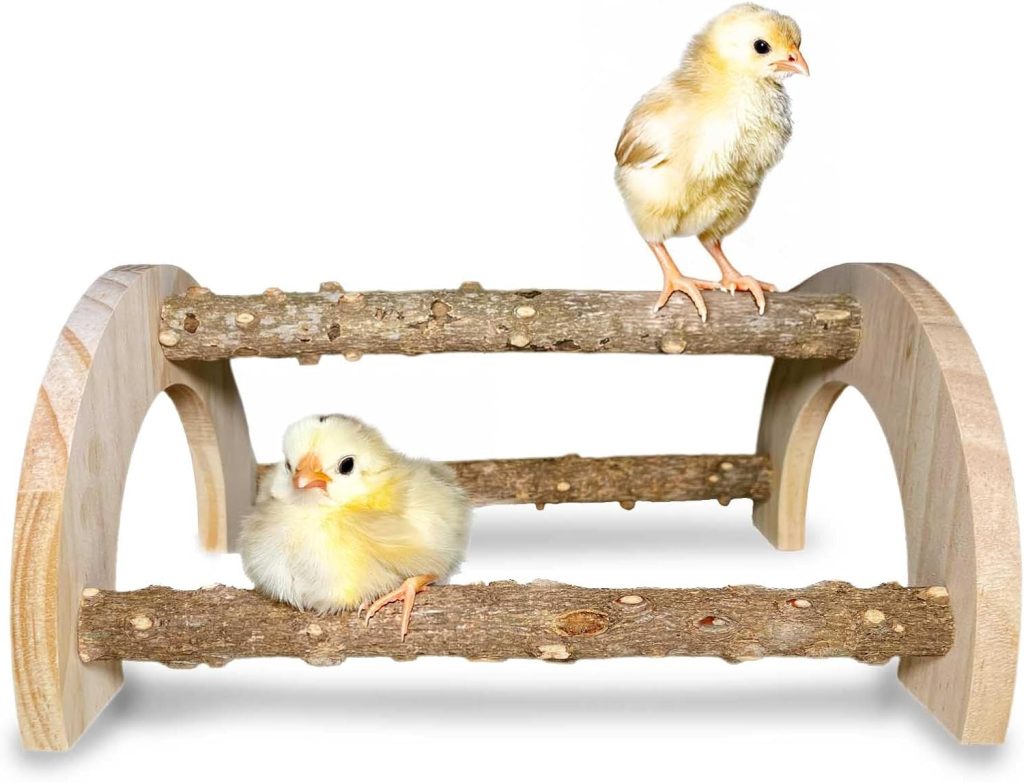
Chick Perch – Natural Wood Chick Roosting Bar for Brooder: A Complete 3000+ Word Guide for Healthy Chick Development
Raising baby chicks is an exciting and rewarding experience, whether you are a backyard poultry keeper or managing a small farm. Most beginners focus heavily on essentials like feeders, waterers, bedding, and heat sources. While these are undeniably important, there is one often-overlooked accessory that can significantly improve chick development—the chick perch.
A natural wood chick roosting bar is more than just a simple addition to your brooder. It supports natural behavior, enhances physical development, and prepares chicks for their future life in a coop. In this comprehensive guide, we will explore everything you need to know about chick perches, including their importance, features, benefits, installation, maintenance, and expert tips for best results.
What Is a Chick Perch?
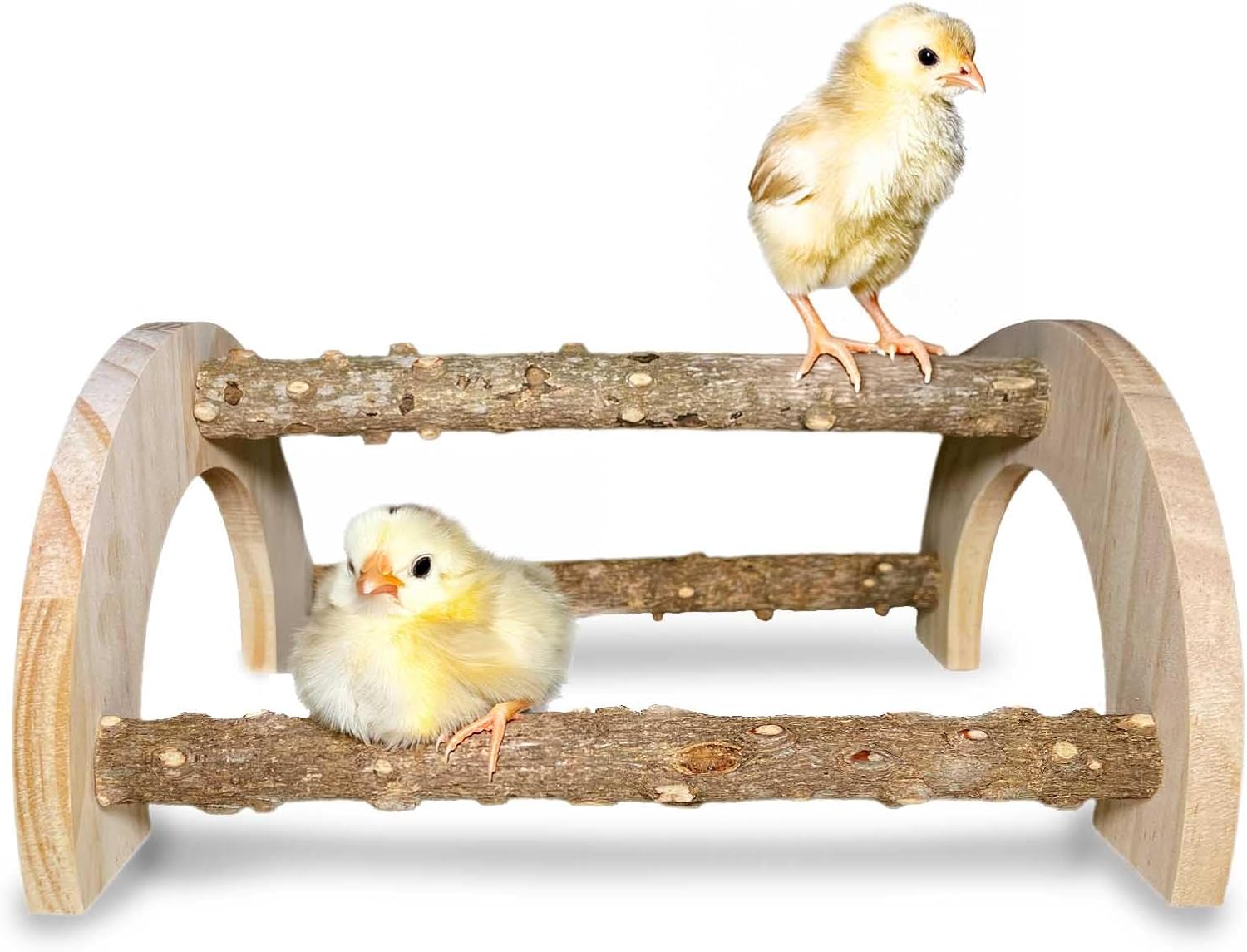
A chick perch is a small, elevated bar designed specifically for baby chickens to stand, rest, and practice roosting. It is usually made from natural wood and placed inside a brooder.
In nature, chickens instinctively seek elevated places to rest because it provides a sense of safety. Even at a very young age, chicks show curiosity about climbing and perching. A chick perch allows them to develop this instinct in a safe and controlled environment.
Why Is a Chick Perch Important?
Many poultry keepers assume that perches are only necessary once chickens grow older. However, introducing a perch early in life offers several important advantages.
Encourages Natural Instincts
Chickens are naturally inclined to perch. Providing a roosting bar allows chicks to express this instinct from an early age.
Supports Physical Development
Perching helps strengthen leg muscles, improve balance, and develop coordination. These physical benefits are crucial for long-term health.
Builds Confidence
Chicks that explore and use perches become more confident and active. This leads to healthier behavior patterns.
Reduces Stress and Aggression
A stimulating environment helps reduce boredom, which can otherwise lead to pecking and aggressive behavior.
Prepares for Adult Life
Chickens that learn to perch early transition more easily to coop roosts as they grow.
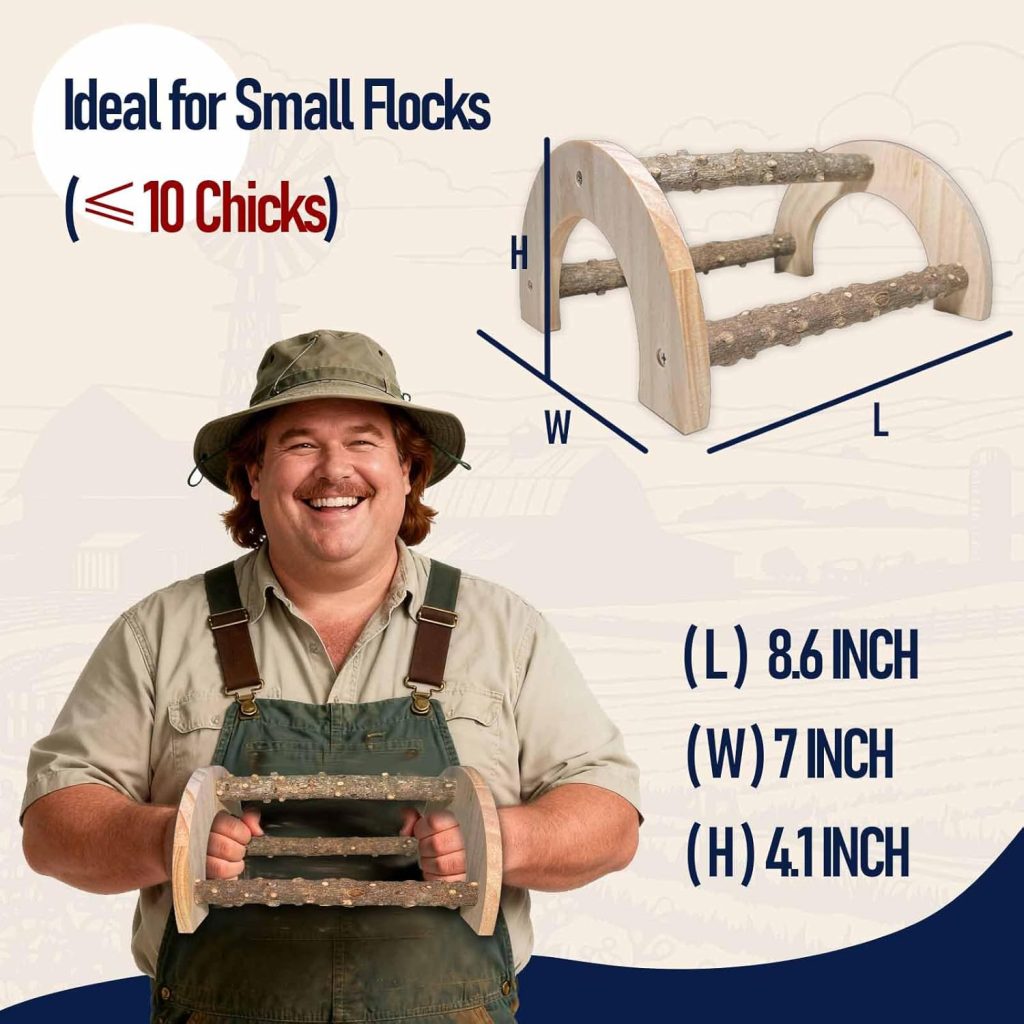
Key Features of a Natural Wood Chick Perch
Natural Wood Construction
Natural wood is the best material for chick perches due to its unique advantages:
- Provides a secure grip for small feet
- Prevents slipping
- Feels natural and comfortable
- Non-toxic and safe
Unlike plastic or metal, wood offers a texture that closely resembles what chickens would encounter in nature.
Smooth and Safe Finish
High-quality chick perches are carefully sanded to remove sharp edges while maintaining enough texture for grip. This ensures safety without compromising usability.
Lightweight and Portable
Most chick perches are easy to move and reposition. This flexibility allows you to adjust your brooder setup as needed.
Appropriate Size for Chicks
Chick perches are designed with the correct height and thickness for baby chickens. This ensures they can use the perch safely without risk of injury.
Benefits of Using a Chick Perch
Improved Leg Strength
Perching encourages chicks to engage their muscles, leading to stronger legs and better posture.
Better Coordination and Balance
Chicks learn to balance themselves on the perch, which improves overall coordination.
Cleaner Living Environment
When chicks spend time perching, they are less likely to sit in bedding that may contain waste. This helps keep them cleaner.
Mental Stimulation
A perch adds variety to the brooder environment, keeping chicks active and reducing boredom.
Easier Transition to Coop Life
Chicks that are familiar with perching adapt more quickly to adult roosts in the coop.
When Should You Introduce a Chick Perch?
You can introduce a perch when chicks are around 3 to 7 days old. At this stage, they begin to explore their surroundings and show interest in climbing.
Start with a low perch to ensure safety and gradually increase the height as they grow.
How to Install a Chick Perch
Installing a chick perch is simple and requires minimal effort.
Step-by-Step Installation:
- Select a stable area inside the brooder
- Position the perch at a low height (1 to 3 inches for young chicks)
- Ensure it is securely placed and does not wobble
- Check that all chicks can access it easily
- Observe their interaction with the perch
Best Placement Practices
- Place the perch away from feeders and waterers
- Avoid overcrowded areas
- Ensure there is enough space for multiple chicks
- Keep it within a warm zone of the brooder
Safety Considerations
Safety is extremely important when introducing any new element to a brooder.
- Do not place the perch too high
- Ensure there are no sharp edges
- Provide soft bedding underneath
- Monitor chicks during initial use
Maintenance and Cleaning
Maintaining cleanliness is essential for chick health.
Cleaning Process:
- Remove the perch regularly
- Wipe off dirt and droppings
- Use mild disinfectant if necessary
- Allow it to dry completely before placing it back
Regular cleaning helps prevent bacteria and keeps the environment hygienic.
Common Problems and Solutions
Chicks Not Using the Perch
This is common at first. Chicks may take time to adjust.
Solution:
- Be patient
- Gently place a chick on the perch to demonstrate
- Ensure the height is appropriate
Perch Getting Dirty Quickly
Solution:
- Clean more frequently
- Adjust placement away from feeding areas
Instability
Solution:
- Check the base and positioning
- Ensure it is placed on a flat surface
Comparison: With vs Without Chick Perch
| Feature | Without Perch | With Chick Perch |
|---|---|---|
| Physical Strength | Limited | Improved |
| Behavior | বেশি stress | Balanced |
| Cleanliness | Lower | Higher |
| Adaptation to Coop | Slower | Faster |
Who Should Use a Chick Perch?
A chick perch is beneficial for:
- Backyard poultry keepers
- First-time chick raisers
- Small-scale farmers
- Anyone focused on animal welfare
- Those looking to improve chick development
Why Natural Wood Is the Best Choice
Natural wood stands out because it combines comfort, safety, and durability. It provides a stable grip and mimics natural conditions, making it the preferred material among poultry keepers.
Cost vs Long-Term Value
A chick perch is an affordable investment that delivers long-term benefits. It contributes to healthier chickens, reduces behavioral problems, and simplifies the transition to adult housing.
Expert Tips for Best Results
- Introduce the perch early
- Keep the brooder clean and dry
- Ensure proper nutrition for chicks
- Avoid overcrowding
- Observe chick behavior regularly
Real-Life Benefits
Poultry keepers who use chick perches often report:
- Stronger and more active chicks
- Reduced pecking and aggression
- Cleaner birds
- Easier transition to coop life
Environmental and Ethical Considerations
Using natural wood perches supports sustainable practices and promotes a more natural lifestyle for chickens. It aligns with ethical poultry care by encouraging instinctive behavior.
Final Thoughts
A chick perch may seem like a small accessory, but its impact on chick development is significant. From improving physical strength to encouraging natural behavior, it plays an important role in raising healthy chickens.
Conclusion
Successful poultry raising begins with providing the right environment from the start. The Chick Perch Natural Wood Roosting Bar is a simple yet powerful tool that enhances chick growth, behavior, and overall well-being.
By investing in a quality perch, you are not only improving your brooder setup but also ensuring that your chicks grow into strong, healthy, and well-adjusted adult chickens.